If you're researching the Stacker Lovable comparison, you'll find that both tools promise to build apps from plain English descriptions. The gap appears after that first build: Lovable hands you code that needs deployment configuration and technical maintenance, while Stacker gives you a working app on managed infrastructure. We're covering the real differences in how much technical knowledge you'll need, what happens when you need to make changes, and which approach works for teams running actual business operations.
TLDR:
- Lovable generates code quickly but requires technical skills for deployment and maintenance
- Stacker builds production-ready apps on managed infrastructure without code or configuration
- AI-generated codebases degrade over time; Stacker apps stay stable as you modify them
- Stacker excels at business apps with permissions, workflows, and portals for internal and external users
- Stacker is a no-code builder that lets non-technical teams build and maintain real business applications
What is Lovable?
Lovable is an AI code generation tool that creates full applications from natural-language prompts. Instead of visual building blocks or drag-and-drop, it writes actual source code you can edit directly.
The tool generates front-end applications using React, Tailwind CSS, and Vite. It can also connect to OpenAPI-compatible backends, letting you build full-stack applications from text descriptions. You describe what you want, and Lovable outputs a working codebase.
This approach has gained traction among non-technical founders looking to quickly validate startup ideas. Instead of hiring developers or learning to code, they can generate a prototype in hours. You can test a concept with real users before committing serious time or money.
Because Lovable generates editable code, it sits between no-code builders and traditional development. You get a real application with a proper codebase, but maintaining and extending that code over time requires different considerations than using a managed no-code tool.
What is Stacker?
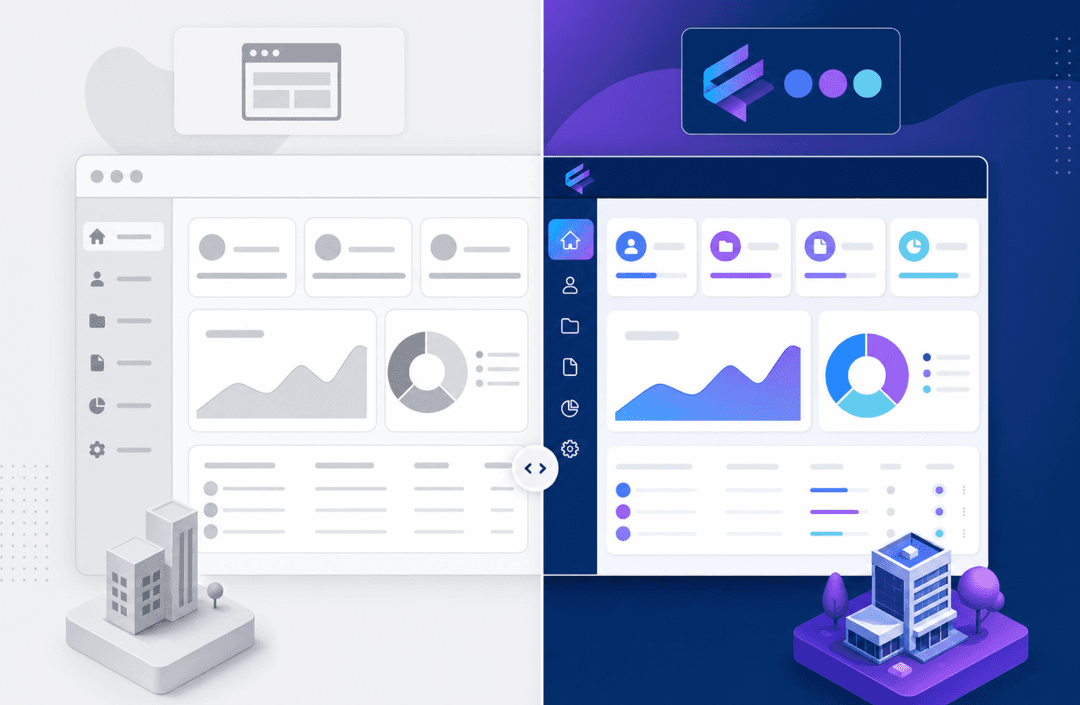
Stacker is an AI-powered app builder built for portals and business applications. You describe what you need in plain English, and Stacker generates a working app in minutes already knowing what a good portal looks like, how roles and permissions should work, and what layouts make sense for your industry. Unlike horizontal AI tools, you don't need to teach Stacker what a portal is or how client-facing data should be structured. Years of portal-specific use cases are baked in, so the default output is already opinionated in the right direction. On day one, Stacker pulls in your brand colors and logo so the output already looks like it belongs to your business not a generic white-label tool. From there, you refine using a drag-and-drop editor: add data tables, design forms, set up workflows, and configure permissions without code.
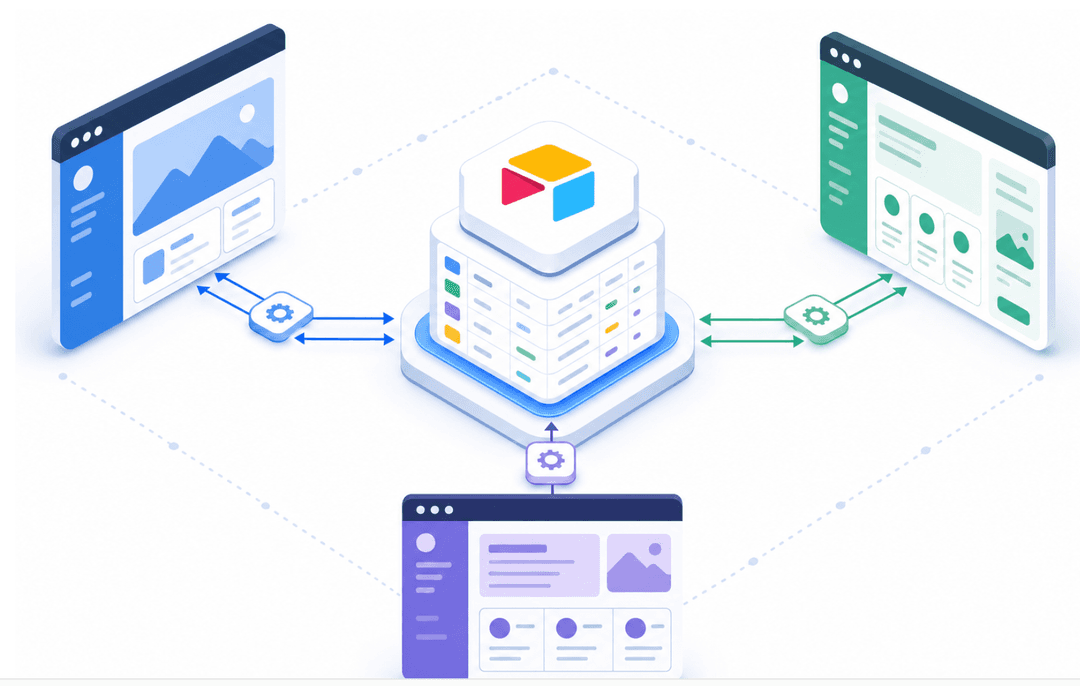
Stacker provides a built-in database that serves as your system of record, or you can connect to existing data in Airtable or Google Sheets. Data stays synced and accessible through whatever interface you design.
The permission system lets you control exactly who sees what. Set up roles for internal teams, external clients, or vendors. Lock down sensitive fields, restrict certain actions, and create secure portals that allow only relevant user groups to access their own data. This is part of what Stacker's AI already understands that a portal serving both an internal team and external clients needs proper data isolation by default, not as an afterthought.
Maintenance and Long-Term Viability
Lovable works well for early prototypes, but maintenance gets difficult as projects scale. AI-generated code can cause unexpected breaks when components are modified, with changes sometimes affecting unrelated parts of your application.
The tool handles simple apps but struggles with complexity. Advanced customization and complex backend requirements often exceed Lovable's ability to reliably manage them. Teams frequently export their code to GitHub and continue development in VS Code, which means maintaining a traditional codebase that requires developer involvement for every future change.
Stacker apps don't degrade over time because you're working within a managed infrastructure instead of a generated codebase. You can modify workflows, add features, and adjust permissions without breaking existing functionality. Your team can maintain and update apps indefinitely, with non-technical members handling changes themselves without needing developers to debug code.
Development Approach and Control
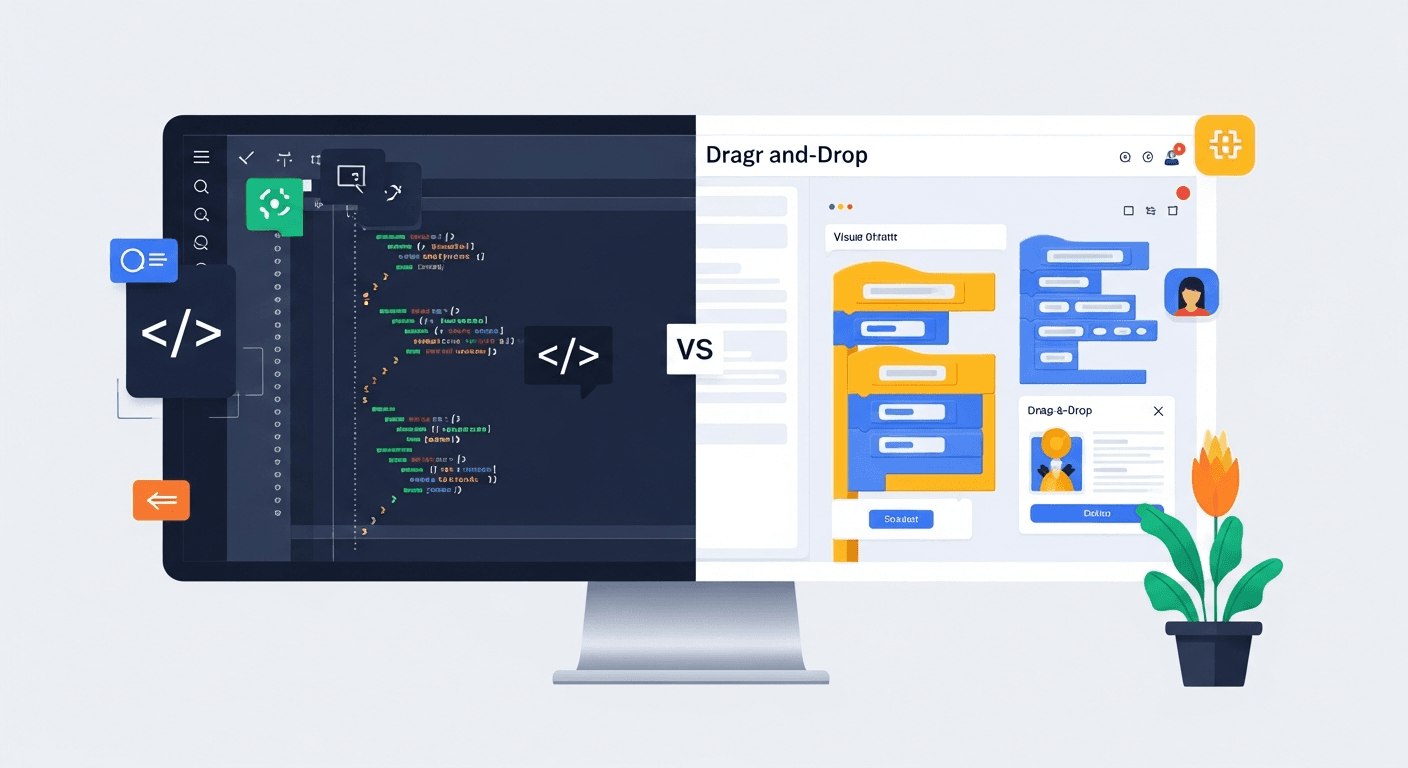
Lovable follows a "vibe coding" approach: you describe what you want, and you receive working code instantly. You can export everything to your own GitHub repository with full ownership of the codebase. However, this still requires operating in a code environment and because Lovable is a horizontal tool, you start from zero every time. If you want to build a portal, you need to explain what a portal is, how permissions should work for internal versus external users, what a client-facing layout looks like, and how data should flow between views. You're teaching the tool as you build, and the quality of the output depends entirely on how well you describe what a good portal looks like.
Even with AI generating the initial build, you need basic coding knowledge to use Lovable. You'll also configure external services for databases, authentication, and backend needs yourself. The tool creates impressive demos quickly but delivers code that requires technical expertise to deploy and maintain in production.
Stacker takes a different approach. Because portals have always been Stacker's focus, the AI already knows what a good portal looks like, how permissions should work for internal versus external users, what layouts make sense for your industry, and how data should flow between views. You describe what you need not what a portal is. Stacker generates a working app already structured for a multi-user, permissioned environment. No context-sharing required.
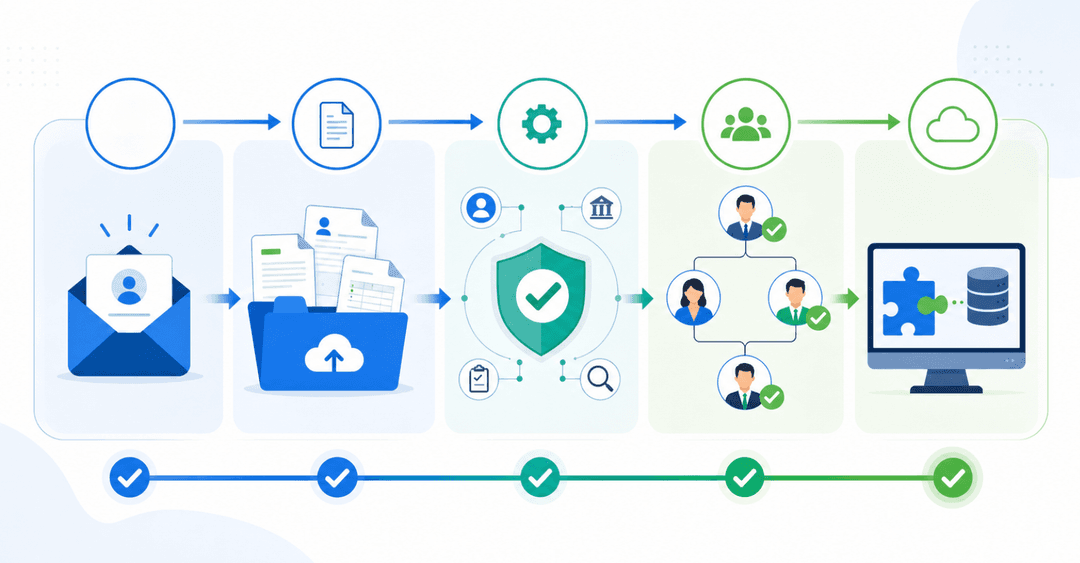
From there, you refine using visual tools, drag-and-drop components, and configuration panels all on managed infrastructure where you never interact with code. The database, user interface, hosting, and security are handled within Stacker. You won't configure external services, set up deployment pipelines, or debug technical issues from generated code.
| Feature | Stacker | Lovable |
|---|---|---|
| Technical Skills Required | None. Drag-and-drop editor and visual configuration tools designed for non-technical business users. | Requires coding knowledge to deploy, configure external services, and maintain the generated codebase. |
| Development Approach | AI generates an initial portal structure with permissions, roles, and layouts already configured correctly. Years of portal-specific use cases are baked in no context-sharing required. | AI generates a full React codebase from scratch. You must describe what a portal is, how permissions should work, and what layouts make sense then edit the code directly or export to GitHub. |
| Deployment Process | One-click publish to managed infrastructure. Apps go live immediately with hosting, security, and backups included. | Manual deployment required. Configure Supabase, Netlify, authentication services, and debug build errors yourself. |
| Long-Term Maintenance | Stable over time. Modify workflows and features through the visual editor without breaking existing functionality. | AI-generated code degrades as complexity grows. Changes can break unrelated components, requiring developers to debug. |
| Database & Backend | Built-in relational database included, or connect to Airtable/Google Sheets. Data management is handled within Stacker. | Must configure external database services like Supabase and manage Row Level Security policies manually. |
| Best Use Cases | Production business applications for operations teams: custom CRMs, customer portals, workflow tools, vendor management systems. | Quick prototypes and MVPs for technical founders validating startup concepts before committing to full development. |
| Who Can Maintain It | Non-technical team members can build, modify, and maintain applications indefinitely without developer involvement. | Requires developers to maintain the codebase, handle infrastructure, and debug issues as the application evolves. |
Production Readiness and Deployment
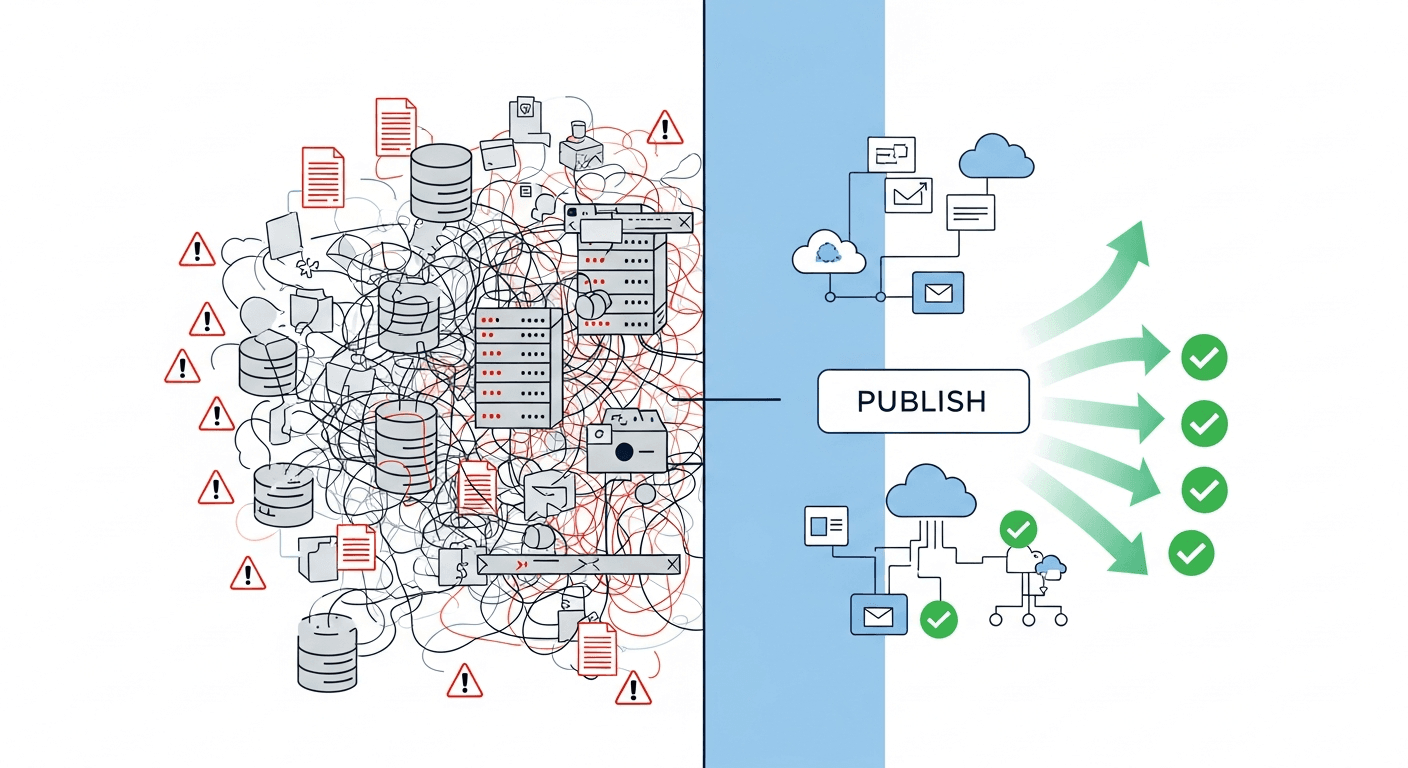
Lovable demos look polished, but getting them into production reveals the gap between prototype and working product. You'll need to connect Supabase accounts, configure Row Level Security policies, and debug Netlify build errors. What looks ready often still requires a lot infrastructure work before it can go live.
The tool works well for solo builders validating a concept, but falls short for projects with complex logic, sensitive data, or long-term maintenance. Users report burning through credits faster than expected on medium-sized projects, with pricing that scales unpredictably.
Stacker applications go live the moment you publish them. There's no deployment step, no hosting configuration, and no external services to wire together. Apps run on managed infrastructure with secure hosting and reliable uptime. Database, authentication, and data security are handled, so you can focus on building functionality instead of managing servers or troubleshooting deployment failures.
Real-World Application Capabilities
Lovable works well for freelancers building MVPs quickly, startup founders validating concepts before committing to development, frontend developers needing backend scaffolding, and agencies doing rapid prototyping for client approval. These scenarios favor speed over systems designed for long-term operations.
Complex business applications reveal Lovable's limits. Multi-step workflows, conditional logic, and sophisticated permissions often require manual coding after AI generation, bringing an actual engineer into the project. Without a drag-and-drop editor, repositioning elements means prompting the AI repeatedly, burning through credits on iterative refinement.
Portals are Stacker's sweet spot. Teams build customer portals where clients securely access their data, vendor portals for contractor collaboration, and agency portals for project approvals and deliverable sharing all with role-based permissions that let one app serve internal teams, customers, and partners simultaneously with proper data isolation.
Solar installation is a strong example of how far Stacker's portal intelligence goes. The AI now generates optimized portal output for solar installers handling project timelines, customer communication, scheduling, and status updates in a structure that already makes sense for that industry. No explaining what a solar installation workflow looks like. The default output is already shaped around it.
From there, Stacker grows with you: build custom CRMs with exact fields and workflows, work management tools with multi-step pipelines, and inventory systems tailored to niche industries. Apps run on a real relational database, so you can model complex processes with linked records and apply business rules that scale from small team tools to larger operations.
Why Stacker is the Better Choice
Lovable works well for quick prototypes or simple apps where you want to see something working fast. It excels when you have technical skills to handle the generated code and understand deployment.
Stacker is the better choice when you need business applications that teams use reliably every day. Portals have always been Stacker's sweet spot and that focus means the AI already knows what a good portal looks like, how permissions should work, and what layouts make sense for your industry. Instead of receiving code requiring configuration and maintenance, you get a working portal on managed infrastructure, ready to share with clients or partners the moment you publish it.
Frontier Operators solo founders and small service businesses in law, real estate, consulting, and home services use Stacker to give clients a polished portal without hiring developers. Unblocked Builders at mid-sized companies start with a portal for their team or clients, then expand into internal tooling as their needs grow. The visual editor keeps apps stable as requirements change, while permissions and workflows adapt to growing complexity. For teams running real operations instead of testing concepts, Stacker delivers the reliability and accessibility that code-generation tools cannot match.
Final Thoughts on Code Generation vs No-Code
The Lovable vs Stacker decision depends on your goals and team capabilities. If you have technical skills and want to own your codebase, Lovable gives you that control with fast prototyping. If you need business applications that non-technical teams can build and maintain reliably, Stacker removes the complexity of managing code and infrastructure. You can book a demo to see how Stacker handles your team's specific requirements without the maintenance burden of generated code.
FAQs
How do you decide between Stacker and Lovable for your business?
Choose Lovable if you're a technical founder validating a startup concept quickly and can handle code maintenance. Choose Stacker if you're running existing operations and need non-technical teams to build and maintain business applications without developer support.
What's the main difference in how these tools handle complexity over time?
Lovable generates code that requires developer maintenance as your app grows, and AI changes can sometimes break unrelated components. Stacker builds on managed infrastructure, where you modify features through visual tools without risking stability or needing technical debugging.
Who is Stacker best suited for compared to Lovable?
Stacker works best for Frontier Operators solo founders and small service businesses in law, real estate, home services, consulting, and coaching who need a polished client portal without hiring developers. It's also a strong fit for Unblocked Builders: individual contributors at mid-sized companies in ops, client success, or project management who need to build without waiting for IT. Lovable suits technical founders, freelancers, and agencies building quick prototypes where speed matters more than long-term maintenance.
Can non-technical users realistically build production apps with either tool?
Non-technical users can build and maintain production apps in Stacker using drag-and-drop editors and visual configuration. Lovable requires coding knowledge to deploy, configure external services, and maintain the generated codebase beyond the initial prototype.
What should you consider about deployment and ongoing costs?
Lovable requires you to configure hosting, databases, and authentication separately, and credits burn faster with iterative changes. Stacker includes hosting, database, security, and updates in a single managed package, so your team can publish apps without infrastructure work or surprise technical costs.